
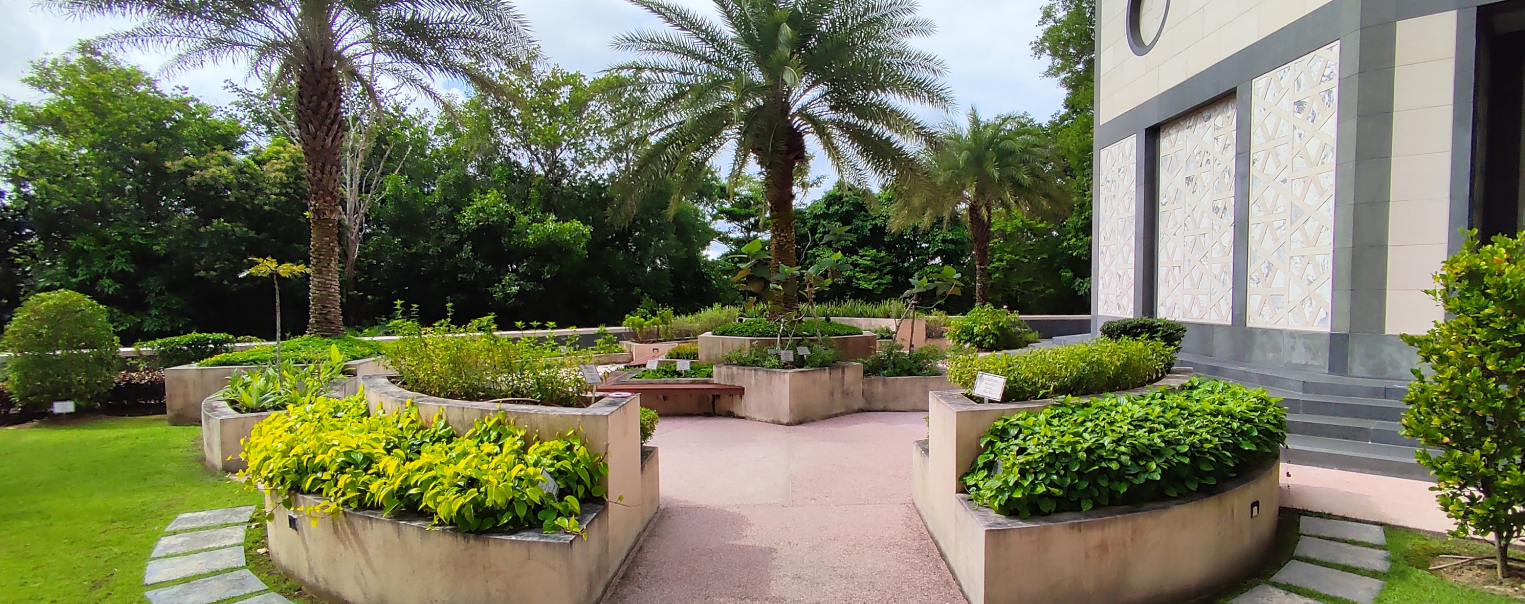
azadirachta indica
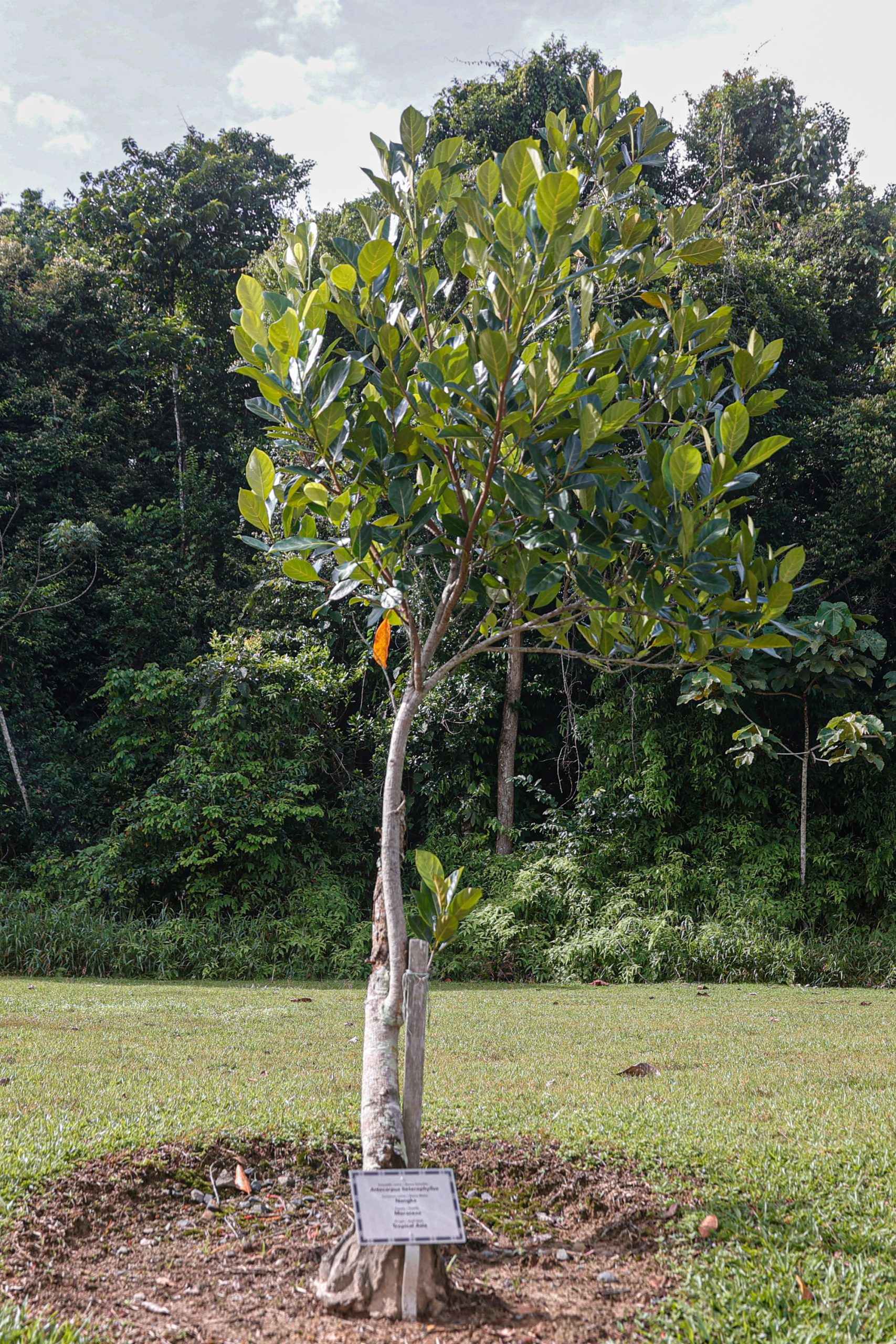
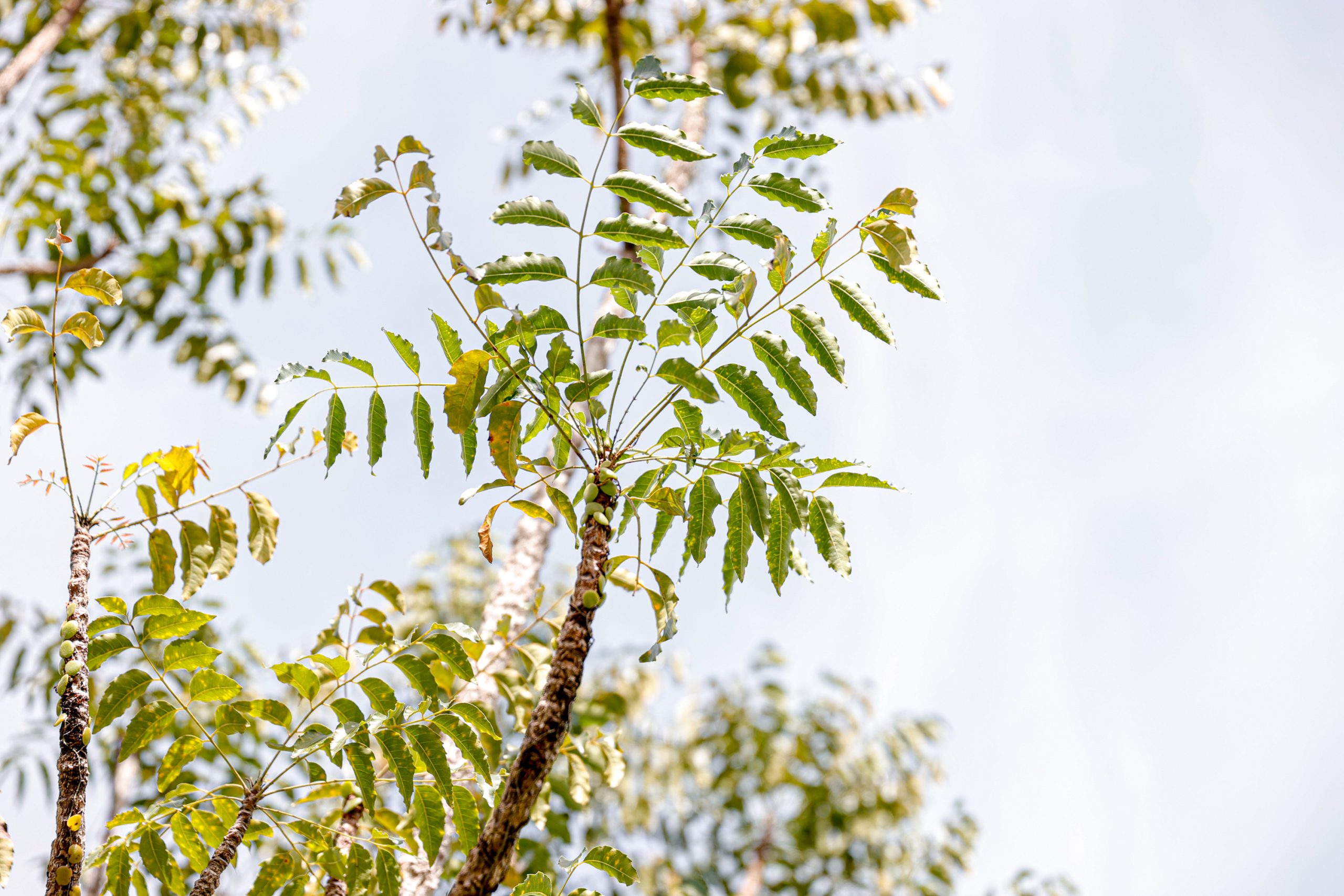
Azadirachta indica, atau neem, semambu atau mambu, ialah sejenis pokok tropika daripada keluarga Meliaceae. Pokok ini cepat membesar dan biasanya kekal berdaun hijau sepanjang tahun, terutama di kawasan yang sesuai.
Pokok neem biasanya boleh tumbuh sekitar 15 hingga 20 meter. Ia mempunyai batang yang tegak, dahan yang melebar dan bahagian atas pokok yang membulat dengan rimbunan dahan dan daun. Daunnya ialah daun majmuk yang terdiri daripada banyak anak daun bergerigi.
Bunganya kecil, berwarna putih, berbau harum dan tumbuh dalam kelompok. Buahnya licin, berbentuk bujur dan berubah menjadi kuning apabila masak. Setiap buah biasanya mengandungi satu biji. Pokok ini terkenal dengan rasa pahit yang kuat dan mempunyai pelbagai kegunaan tradisional.
Taksonomi
• Keluarga: Meliaceae
Nama Biasa / Tempatan
• Bahasa Inggeris: Neem / Neem Tree / Indian Lilac
• Bahasa Melayu: Semambu / Mambu / Neem
Habitat dan Taburan
Azadirachta indica tumbuh dengan baik di kawasan tropika dan subtropika. Spesies ini berasal dari kawasan Assam hingga Indo-China dan kini banyak ditanam di Asia Selatan, Asia Tenggara, Afrika, Timur Tengah, Australia dan kawasan panas yang lain.
Pokok neem tahan terhadap keadaan kering setelah matang. Ia boleh tumbuh di kawasan yang kurang subur, tetapi pertumbuhan terbaik biasanya berlaku di tanah yang bersaliran baik dan menerima cahaya matahari yang mencukupi.
Kegunaan
1. Kawalan Perosak
Daun, biji dan minyak neem digunakan dalam kawalan perosak botani. Sebatian seperti azadirachtin boleh mengganggu pemakanan, pertumbuhan dan pembiakan sesetengah serangga. Oleh sebab itu, neem sering dikaitkan dengan pertanian organik dan kawalan perosak semula jadi.
2. Kegunaan Kosmetik
Neem digunakan dalam produk seperti sabun, syampu, produk penjagaan kulit dan ubat gigi. Penggunaan ini biasanya berkait dengan sifat pembersihan, bau herba yang kuat dan kegunaan tradisional untuk kulit serta mulut.
3. Kayu
Kayu neem boleh digunakan untuk membuat perabot, alat kegunaan harian dan pembinaan ringan. Kayunya juga dihargai kerana ketahanannya terhadap beberapa jenis serangga perosak.
4. Kegunaan Pertanian dan Rumah Tangga
Neem cake, iaitu sisa biji neem selepas minyak diekstrak, digunakan sebagai bahan pembaik tanah organik dan bahan kawalan perosak dalam pertanian. Dalam kegunaan rumah tangga tradisional, daun neem kadang-kadang diletakkan di ruang simpanan tertentu untuk membantu menghalau serangga.